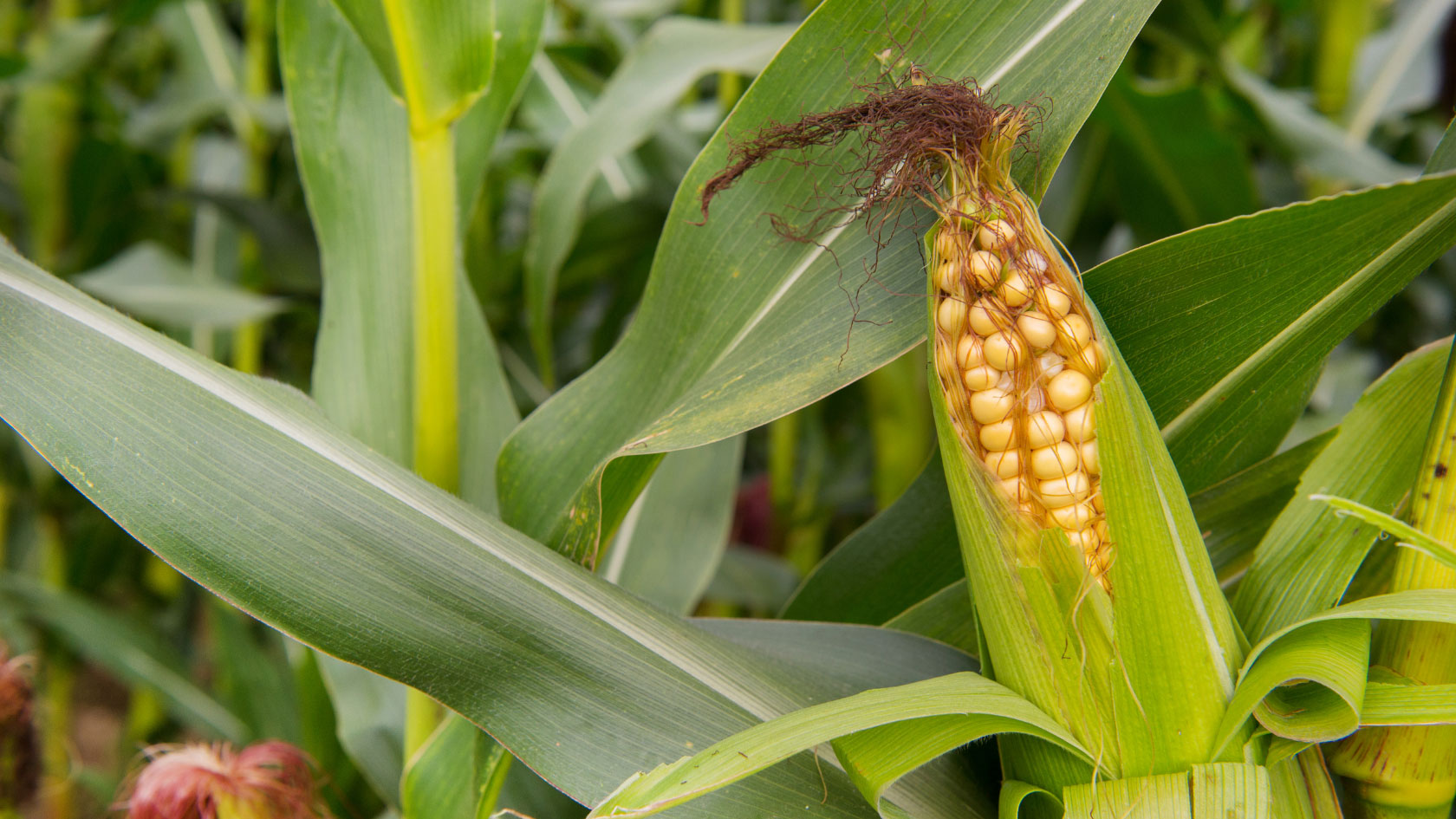
FA Bio has reported encouraging results from its 2025 maize biostimulant field trials, demonstrating consistent positive performance across diverse European growing conditions. The results mark an important step forward in accelerating the company’s lead fungal biostimulant candidates toward commercial development.
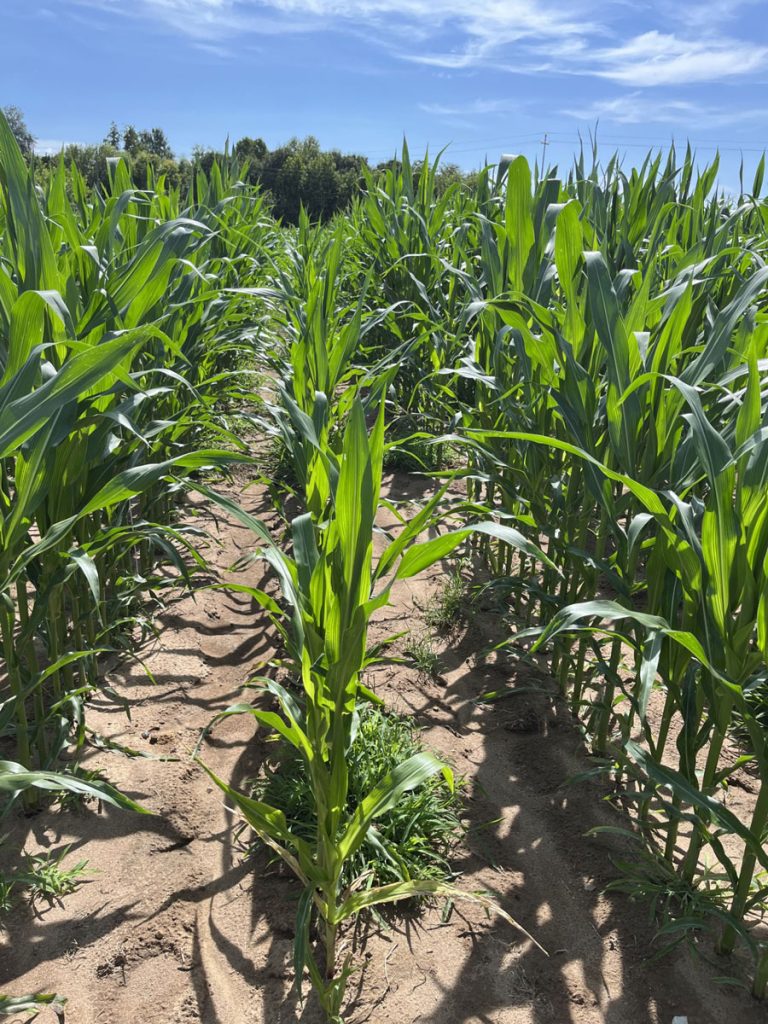
Strengthening robustness
Building on the maize field trials conducted in 2024, the 2025 programme introduced two major refinements to strengthen the robustness of results.
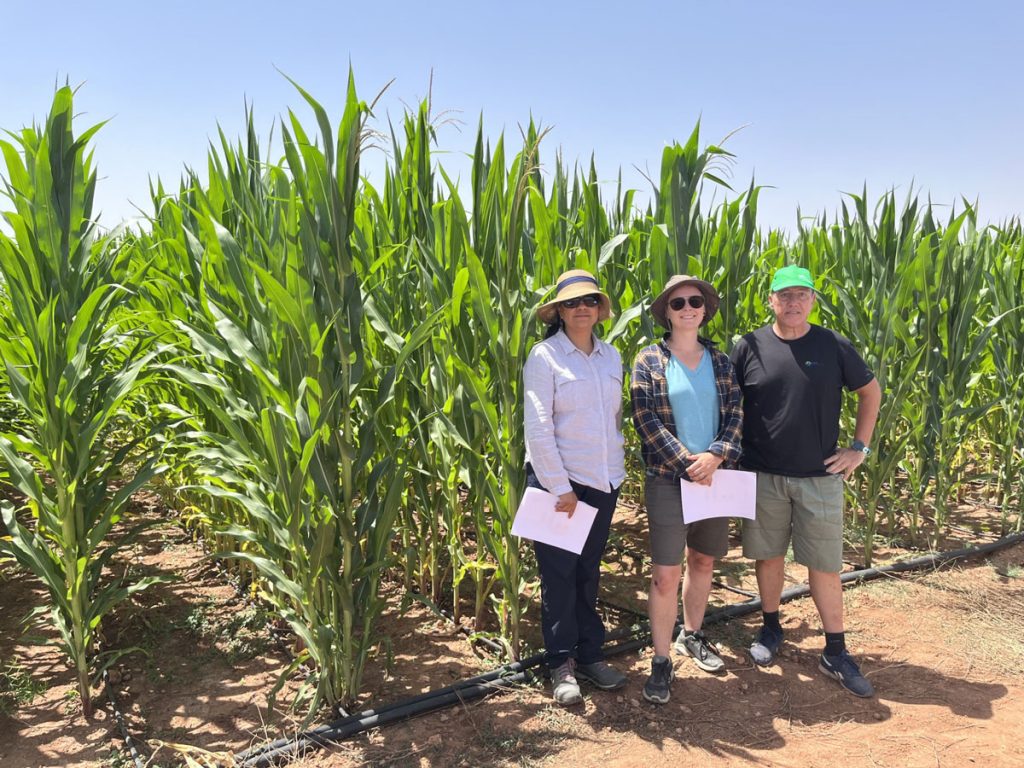
First, the same biostimulant candidates were tested across five field trial locations, enabling direct comparison of performance under varied environmental conditions. Trials were conducted across temperate and Mediterranean climates, including two sites in Poland (Central and North), one in Italy, one in Oxford (UK), and one in Spain. These sites encompassed a wide range of soil types and climatic pressures.
Second, the commercial control used in each location were available commercial biostimulant products in each region, ensuring that FA Bio’s candidates were benchmarked not just against untreated plots, but against existing market solutions.
Each trial followed standard regional farm management practices, including locally adapted seed varieties, fertiliser regimes, planting densities and herbicide programmes. This ensured results reflected real-world agricultural systems rather than standardised experimental conditions.
Compelling and consistent performance
As a biostimulant study, the central objective was to assess improvements in plant vigour and resilience, factors that ultimately translate into yield and grain quality.
Whilst multiple agronomic parameters were measured, the most promising results indicate strong performance across a diverse range of environments, leading to measurable improvements in crop yields.
Consistent yield increases
The most notable outcome from FA Bio’s product applications across all field trials was the consistency of yield increases. Two leading candidates stood out for their positive yield increases across all five field trial locations. The highest recorded uplift reached 13% over the untreated control, with several sites showing gains in the 6-12% range.
Importantly, across all six candidates and five locations, yield responses were consistently positive, with half of the trials matching or outperforming the commercial biological control. We are now optimising the product formulations to ensure outstanding performance across our future trials. Achieving this level of performance across diverse climates, soil types and farm management systems underscores the robustness of FA Bio’s biostimulant candidates and strengthens confidence in their commercial potential.
The year-on-year consistency of our candidates is also strong validation of FA Bio’s discovery approach.
NDVI outperformance
Normalised Difference Vegetation Index (NDVI) is a widely used measure of crop health that analyses how plants absorb and reflect light, and is commonly used as an early indicator of crop vigour and potential yield performance.
The same two leading candidates that produced consistent yield performance also delivered strong improvements in NDVI, a widely used indicator of crop health and photosynthetic activity.
Across nearly every trial where NDVI was measured, the two lead candidates both produced positive increases over untreated controls. One candidate achieved NDVI increases of more than 25% over the untreated control in certain locations. In over 60% of trials, these candidates also outperformed the commercial biostimulant control.
These improvements in plant health provide a strong physiological basis for downstream yield gains.
Improved emergence
One of the top NDVI performers also delivered consistently strong emergence results. It significantly outperformed the commercial control in three of the five locations and improved emergence rates by more than 6% compared to untreated controls.
Improved emergence provides crops with a critical head start, reducing seed waste and supporting stronger yield potential.
Grain quality improvements
Beyond yield volume, one of the strongest candidates also demonstrated improvements in grain protein content, increasing levels by 3-6% across three of the five trials. It also outperformed the commercial control in 60% of locations for this metric.
Enhancements in protein content add further commercial value, particularly in markets where grain quality premiums are important.
Accelerating toward commercial development
A key takeaway from the event was that resilient The consistent performance observed in these field trials builds on prior trial results and provides increased confidence in the robustness of FA Bio’s biostimulant platform.
The two strongest candidates from the current trials are now being advanced within FA Bio’s product development pipeline to optimise the formulation and accelerate commercial readiness.
Demonstrating year-on-year positive performance strengthens the case for scaling production and moving toward regulatory and commercial milestones.
A platform built on consistency
In biological product development, repeatability across environments is often the greatest hurdle. FA Bio’s 2025 field trial results show not just isolated success, but consistent agronomic benefit under real farm conditions.
The combination of improved plant health indicators, reliable yield uplift and positive grain quality trends positions the company strongly as it moves closer to bringing a novel maize biostimulant to market.
With robust cross-regional validation now in place, FA Bio is well positioned to accelerate its path from field trials to commercial launch.
Dr Emma Burak-Russell, Field Trial Manager