
Each year, millions of tonnes of nitrogen fertiliser are lost to the environment, contaminating waterways and releasing potent greenhouse gases. With fertiliser prices soaring and soils under strain, the need for nature-based nitrogen solutions has never been more urgent.
The Challenge
Nitrogen (N) is essential for plant growth, yet only 40 – 45% of applied nitrogen fertilisers are absorbed by crops. As fertiliser prices fluctuate and sustainability becomes a global priority, it’s clear that agriculture needs smarter, nature-based solutions.
One promising path forward lies beneath our feet, in the form of beneficial soil fungi. By harnessing the power of beneficial soil microbes, we can improve nitrogen use efficiency (NUE) and help plants access and utilise nutrients more effectively, offering a sustainable alternative to heavy fertiliser use.

Why Nitrogen Use Efficiency Matters
Nitrogen is one of the most critical nutrients for plant growth, influencing everything from leaf development to grain yield. But inefficient nitrogen use means more fertiliser is needed to maintain productivity, increasing financial and environmental costs.
Improving Nitrogen Use Efficiency (NUE) is key as it increases the ability of a crop to convert available nitrogen into plant biomass. By improving NUE we can:
- Lower fertiliser input
- Reduce greenhouse gas emissions
- Improve overall soil health
- Create more resilient and cost-effective farming systems
The Nitrogen Cycle
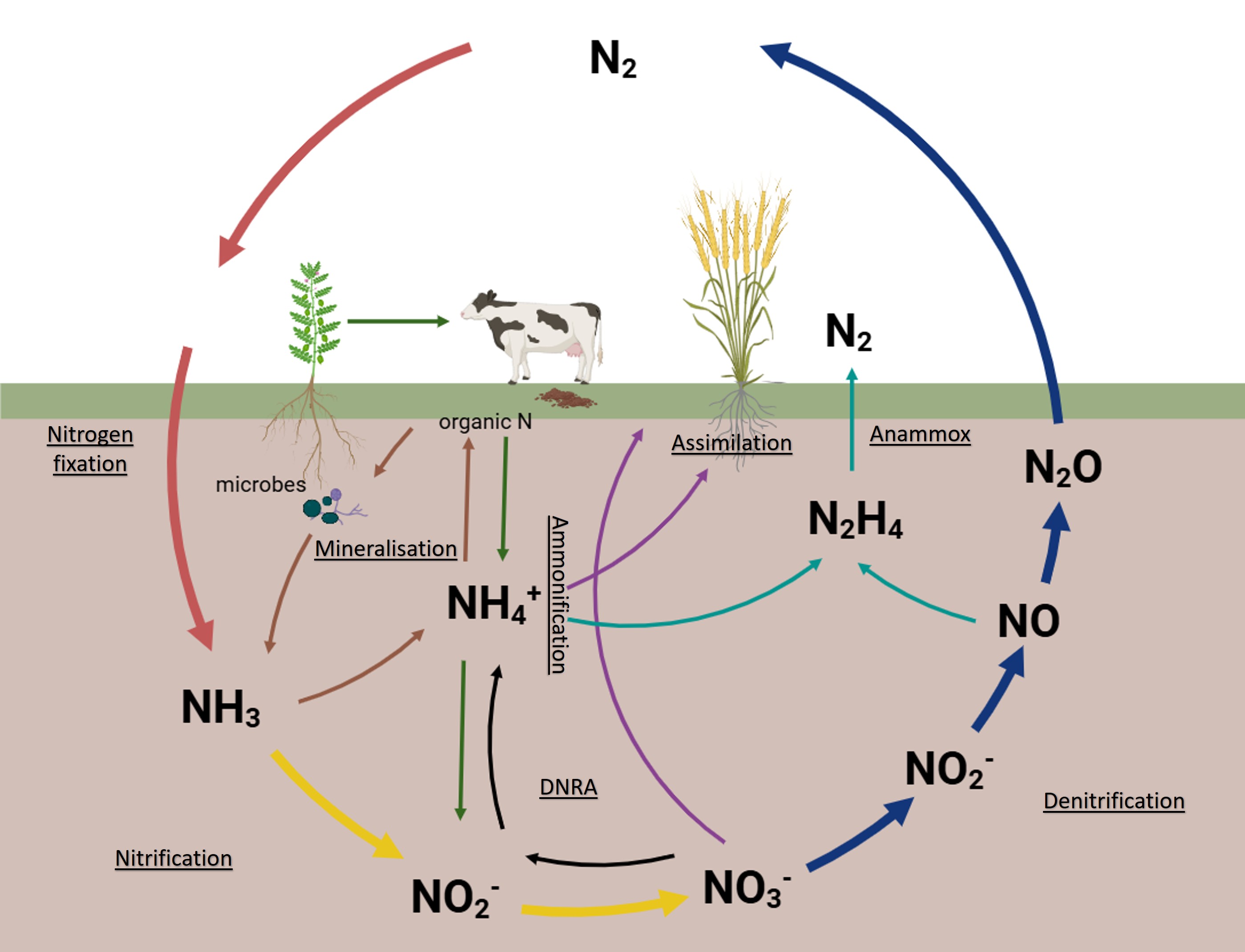
The nitrogen cycle is a natural process that moves nitrogen through the soil, air, water, and living organisms. It involves several key steps such as:
- Nitrogen fixation: converting atmospheric nitrogen into forms plants can use
- Mineralisation: breaking down organic matter into inorganic nutrient, including the conversion of amino acids into ammonium (NH₄⁺), a plant-available nitrogen (ammonification)
- Nitrification: converting ammonium into nitrate (NO₃⁻), another plant-available nitrogen form
- Denitrification: converting nitrate back to gaseous forms, releasing it into the atmosphere (greenhouse emission)
This cycle is essential for ecosystem balance and crop growth, and fungi play a surprising and powerful role in making it work better.
Fungi Fuelling Plant Performance
Fungi are an integral part of the nitrogen cycle and are natural partners to plants. They support NUE in plants through two key mechanisms: enhancing nitrogen availability in soil and boosting nitrogen uptake in plants.
Fungi help convert complex organic matter into plant-available nutrients by secreting enzymes that break down dead material, unlocking nitrogen that would otherwise remain trapped. They make this possible by secreting extracellular enzymes such as protease, chitinase and urease. These enzymes facilitate the conversion of organic nitrogen into ammonium that plants can readily absorb.
Fungi are also, critical decomposers that break down complex molecules such as cellulose and lignin into simpler components that fungi can use for their own nutrition. This breakdown process supports the liberation and recycling of other important nutrients such as phosphorus and potassium in addition to nitrogen, which then become available in the soil.
Fungi also form direct relationships with plant roots to improve nutrient uptake. Mycorrhizal fungi form symbiotic relationships and extend fungal ‘threads’ into the soil like extra roots extending root systems to access and transfer these nutrients. In return for carbon from the plant, which provides a valuable energy source, fungi help improv nutrient and water uptake to the plant. Endophytes are a type of fungi that lives inside roots (or stems, or leaves) without causing harm to the host plant. These fungi are typically symbiotic or mutualistic, providing benefits like improving nutrient uptake.
Building Better Soils
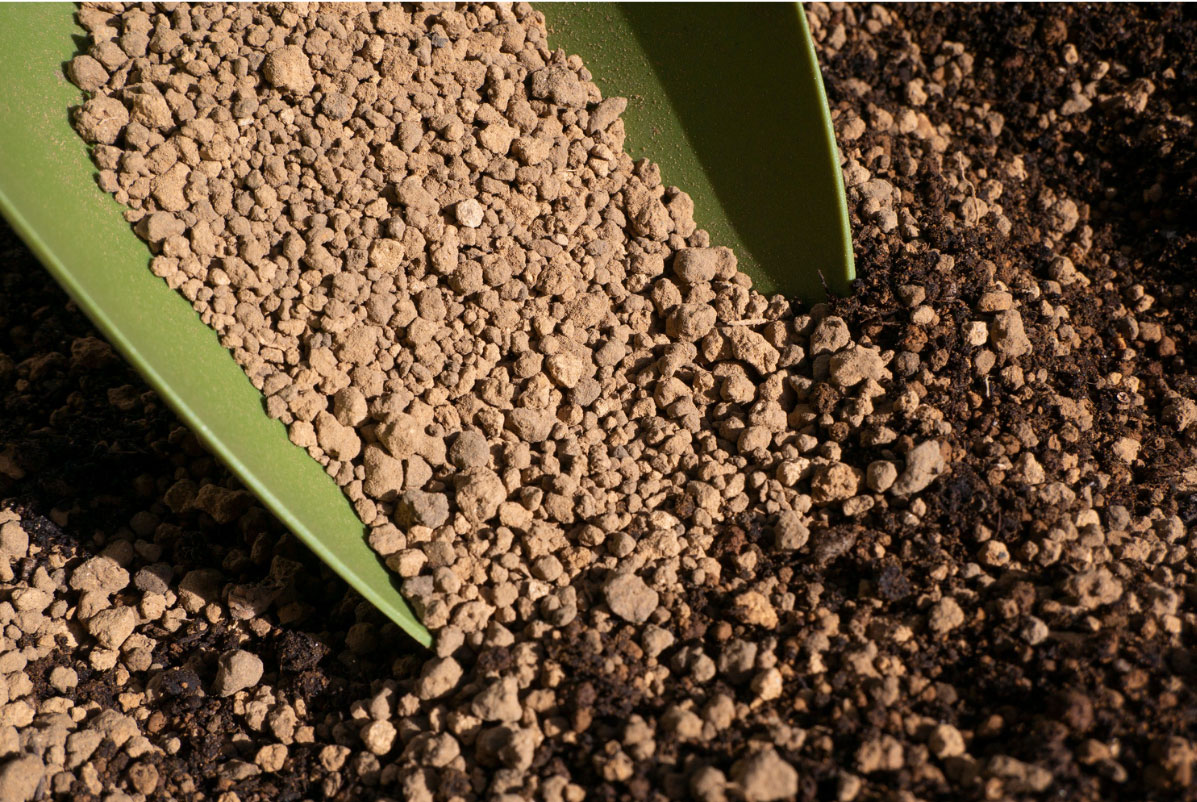
Fungi play a vital role in building healthier, more resilient soils. They improve soil structure by producing glomalin, a sticky protein that binds soil particles together, enhancing aggregation, aeration and water retention. This structural improvement also supports nitrogen retention, helping to reduce losses through leaching or gaseous emissions.
Fungi decompose organic matter, releasing essential nutrients back into the soil for plant uptake. Through symbiotic relationships such as mycorrhizae, they enhance plant access to water and nutrients, particularly phosphorus and nitrogen.
In addition, fungi form part of a vast underground communication network, sometimes referred to as the “Wood Wide Web”, facilitating signalling and nutrient exchange between plants. Some fungal species can also filter pollutants, contributing to soil detoxification and overall ecosystem health.
This kind of microbial activity is the foundation of regenerative agriculture – farming that restores soil health while maintaining productivity.
FA Bio’s Mission
At FA Bio, we’re turning these natural processes into practical science-backed solutions. As part of the ENRICH (Enhancing Nitrogen-Use through Root Imaging and Community Harnessing) project, funded by Innovate UK, our mission is to develop a breakthrough bioproduct that boosts wheat yields by improving NUE.
Our microbial library harbours isolates from more than 100 different fungal genera. Our mission is to harness their diverse bioactive potential.
Using our microbial discovery platform, we are identifying and refining high-performing fungal strains to create an innovative biofertiliser that can:
- Improve nitrogen availability and uptake
- Reduce dependence on synthetic fertilisers
- Protect yields – even under nitrogen-limited conditions
- Support the transition to regenerative agriculture
By working with nature, we can create more resilient, efficient and sustainable farming systems. Soil fungi are already doing the hard work underground – it’s time to harness their full potential.
Andrea González, Head of Research & Anne Romero, Junior Bioinformatic Scientist